|
|
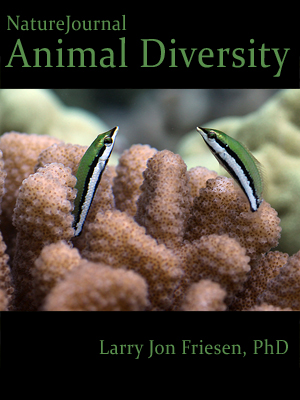
Animal Diversity 2026 Animal Diversity 2026 is a topical approach to the major groups of animals, characterizing their anatomy, physiology and relationships. The sections of the textbook provide a phylogenetic survey describing the characteristics of the many animal phyla that define and differentiate them. Each section encompasses several related groups and begins with a brief introduction of the key characteristics that unite them. Following, then, are chapters that describe individual phyla. The chapters highlight the defining characteristics that biologists use to include members in the groups and are used to create hypotheses of their evolutionary history. These characteristics traditionally were anatomical structures (morphology), color and pattern, and behavior. Today's biologists have extended tools to characterize animals including physiology and gene sequencing coupled with powerful computer programs that are able to analyze hundreds or even thousands of characteristics to group animals in a branching phylogenetic tree. Over the last ten years, tremendous advances have been made in genomics, the science of applying DNA sequencing to phylogenetic analysis. Thankfully, much of the earlier work using traditional methods have been confirmed by application of genomics. However, applying new methodologies has made sometimes surprising discoveries of the relationships and evolutionary histories of animals. Because Animal Diversity is an online textbook, these new discoveries can be included "on the fly", making the textbook and lab manual dynamic sources of information. New chapters and laboratory exercises can be added, earlier chapters can be updated, and new discoveries explored. Navigation This website integrates course textbook chapters and the laboratory manual exercises. Links to the TEXTBOOK and the LAB MANUAL appear at top right on the header bar. These pages will be updated periodically and subscribers will receive an email when updates have been posted. The textbook and laboratory manual can be accessed from the links that appear at top right on the header bar. 
Clicking on ANIMAL DIVERSITY in the upper left corner of any page of the textbook or the laboratory manual will return you to this page. Check in to receive course information and your course login.
|